
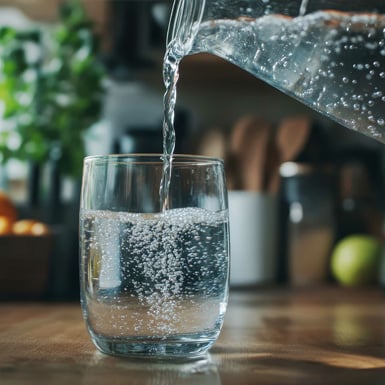
Moving into a new apartment is one of those rare moments when the whole rhythm of your daily life is up for redesign. The first few weeks are spent figuring out where the coffee maker goes, which window gets the best light, and which corner of the kitchen will become the unofficial drop zone for keys and mail. In all of that excitement, there is one upgrade most renters never think to make until they have already poured their first glass of tap water and noticed the faint taste of chlorine, the cloudy tint, or the lingering aftertaste that no fridge filter quite manages to fix.
At Nature’s Air & Water, we believe the water you drink every day deserves the same attention you give to the air you breathe and the food you eat. That is exactly why a reverse osmosis countertop water filter has become one of the most practical and impactful purchases a new apartment resident can make. It requires no plumbing, no permission from a landlord, and no permanent modifications, yet it delivers the kind of water quality that used to require a hardwired under-sink system or a whole-home setup.
This guide walks through why countertop water filters are uniquely suited to apartment living, what can actually be removed from your tap water, how to evaluate a quality system, and why our PureTaste Countertop Reverse Osmosis + UV Water Filtration Solution is engineered with renters and small kitchens in mind.
The Reality of Apartment Tap Water
Most renters assume that if water is coming out of the tap, it has been treated and is therefore safe. Municipal water in the United States is treated, and treatment plants do an enormous amount of work to keep waterborne illness rare. But “treated” and “clean to your standards” are not the same thing, and apartment dwellers face a few extra layers of complexity that homeowners in newer construction often do not.
Aging Building Plumbing
The water that leaves your local treatment facility is not necessarily the water that arrives at your faucet. It travels through miles of municipal pipes, then enters the building’s internal plumbing, which in many older apartment complexes can include decades-old galvanized steel, copper with lead solder joints, or sections of lead service line that have not yet been replaced. Even buildings constructed in the last twenty years can pick up sediment, biofilm, and trace metals along the way. As a renter, you have very little visibility into the condition of those pipes, and even less ability to do anything about them.
Disinfection Byproducts and Chlorine Taste
Municipalities use chlorine or chloramine to keep water safe during transit. That residual disinfectant is doing important work, but it also carries a noticeable taste and smell, especially when the water sits in building pipes overnight or during periods of low usage. For many apartment residents, that distinct “pool water” note is the first sign that filtration would meaningfully improve daily life.
Emerging Contaminants
Modern water testing has revealed an expanding list of contaminants that traditional treatment was never designed to address. PFAS (often called “forever chemicals”), pharmaceutical residues, microplastics, nitrates from agricultural runoff, and trace heavy metals can all show up in municipal supplies at levels below regulatory action limits but well above what many health-conscious consumers want to drink. A pitcher filter or a basic carbon faucet attachment is not built to remove most of these.
This is the gap that reverse osmosis fills. And because countertop systems do not require plumbing modifications, that gap is finally closeable for renters.
What Reverse Osmosis Actually Does
Reverse osmosis, often shortened to RO, is one of the most thorough water purification methods available outside of a laboratory. The process works by forcing water through a semipermeable membrane with pores so small that almost nothing larger than a water molecule can pass through. Combined with sediment pre-filters and activated carbon stages, a complete RO system reduces a remarkable range of contaminants in a single pass.
What a Quality RO System Reduces
- Heavy metals — including lead, arsenic, chromium-6, copper, and mercury, which can leach from older plumbing or enter the supply from industrial sources.
- Chlorine and chloramine — the disinfectants that protect water during transit but degrade taste and odor by the time water reaches your glass.
- Fluoride — for those who prefer to source their fluoride from toothpaste or dental treatments rather than drinking water.
- Microplastics — now detected in tap water samples around the world and far too small to be caught by standard pitcher filters.
- Nitrates and nitrites — agricultural runoff that municipal treatment may reduce but does not always eliminate.
- PFAS and pharmaceutical residues — emerging contaminants that conventional treatment plants are not designed to remove.
- Total dissolved solids (TDS) — the catch-all measure of mineral and chemical content that affects taste, clarity, and the way water interacts with coffee, tea, and cooking.
The result is water that tastes the way water is supposed to taste: clean, neutral, and slightly sweet, without the chemical edge of municipal supply or the metallic hint of aging pipes. For anyone who has only ever known bottled or tap, the first glass from a quality RO system is genuinely revelatory.
Why Countertop Is the Right Fit for Renters
Reverse osmosis is not new technology. What is new is the engineering that has made it possible to deliver full RO filtration in a unit that sits on a countertop and requires no plumbing modifications whatsoever. For apartment residents, that distinction changes everything.
No Drilling, No Permanent Changes
A countertop unit sidesteps the entire conversation of plumbing. You fill a reservoir and the system handles the rest.
Portability That Matches a Renter’s Life
Renters move. Sometimes that means across town for a better commute, sometimes across the country for a new opportunity. A countertop RO system can be moved from room to room or even to an entirely new apartment with ease. The investment you make in your first apartment continues paying off in your second and third.
Small-Kitchen Footprint
Apartment kitchens are often tight on counter space, and any new appliance has to earn its square inches. Modern countertop RO units like our PureTaste water filtration solution are designed with that constraint in mind. They are sized to fit comfortably next to a coffee maker or toaster, and many models include compact reservoir designs that store filtered water without dominating the counter.
No Specialized Installation
There is no plumber, no service appointment, and no risk of an installation gone wrong damaging building infrastructure. Most users have a countertop RO system unboxed and producing filtered water within fifteen to thirty minutes of opening the package.
The Real-World Savings: Bottled Water vs. Countertop RO
Many new apartment residents default to bottled water during their first months in a new place, partly out of habit and partly out of uncertainty about local water quality. The math on that habit is worth pausing over.
A household that drinks two cases of bottled water per week is spending somewhere in the neighborhood of $15 to $30 weekly, depending on brand and region. Annualized, that is $780 to $1,560 per year, every year, paid in plastic bottles that must be carried up apartment stairs, stored somewhere, and then hauled back down to the recycling. A quality countertop reverse osmosis system pays for itself within the first year for most households, and the only ongoing cost is periodic filter replacement.
There is also a quieter cost to bottled water that does not show up on the receipt. Studies have repeatedly found microplastic contamination in bottled water at levels comparable to or higher than tap water from many municipalities. The convenience of single-serve plastic comes with environmental and potentially health consequences that an RO system simply does not carry.
Health and Lifestyle Benefits Beyond Drinking Water
The case for countertop RO extends well past the glass of water on your nightstand. Once you have a steady supply of high-purity water in your kitchen, it changes the way you cook, brew, and live.
Better Coffee and Tea
Coffee is roughly 98% water, and tea is even more so. The mineral content and chlorine residue in tap water interact with the compounds in roasted coffee beans and tea leaves in ways that flatten flavor and introduce bitter notes. RO water provides a clean, neutral base that lets the actual character of your coffee or tea come through. Specialty coffee professionals have known this for years, which is why most quality cafés filter their water aggressively.
Cleaner Cooking
Anything that cooks in water — pasta, rice, soup, stock, blanched vegetables — absorbs whatever is in that water. Using filtered water for cooking is one of those small habit changes that quietly elevates the entire meal. Stocks become clearer, vegetables retain truer color, and rice cooks with a cleaner finish.
Hydration That Actually Tastes Good
Many people who say they do not drink enough water are really saying they do not enjoy the water available to them. Remove the chlorine bite and the metallic aftertaste, and hydration becomes something you reach for instead of something you remember to do. This is one of the most underappreciated effects of installing quality filtration.
Healthier Pets and Plants
Houseplants, especially sensitive varieties like calatheas and prayer plants, react visibly to the chlorine and fluoride in tap water. Pets, particularly cats with sensitive kidneys, also benefit from cleaner water. A countertop RO system serves the entire household, including its non-human members.
Why the PureTaste Countertop Reverse Osmosis + UV System Is Built for Apartment Living
Within our water filter lineup, the PureTaste Countertop Reverse Osmosis + UV Water Filtration Solution is engineered specifically with the renter, the small-kitchen owner, and the health-conscious apartment dweller in mind.
PureTaste combines a multi-stage reverse osmosis system with integrated UV sterilization in a single countertop unit. That means contaminants are reduced through the standard sediment, carbon, and membrane stages, and the final water passes through a UV chamber that addresses any biological concerns before reaching your glass. For renters who cannot install a permanent system but want the most thorough filtration available, this combination is hard to beat.
Clean Water is Only One Click Away
A reverse osmosis countertop water filter is one of those rare home upgrades that delivers daily, tangible benefits without requiring a single permanent change to the space you live in. For new apartment residents, it solves a problem that most do not realize they have until they experience the alternative: water that actually tastes like water, free of the chemical residues, microplastics, and trace metals that have quietly become part of modern municipal supply.
The financial case is strong, the health case is stronger, and the lifestyle case (better coffee, cleaner cooking, easier hydration, healthier plants and pets) makes the investment feel obvious in retrospect. For renters who have spent years assuming that quality filtration was something only homeowners could access, the modern countertop RO system is a quiet revolution.
At Nature’s Air & Water, our entire mission is built around helping people take control of the elements they live with most intimately: the air in their lungs and the water in their glass. Whether you are settling into your first apartment, moving into a new building, or simply ready to upgrade what comes out of your tap, our PureTaste countertop water filter is designed to meet you exactly where you are.