
Water is an essential part of our daily lives. From drinking and cooking to bathing and cleaning, we rely on clean, safe water every day. While municipal water systems and traditional filtration methods do a lot to remove contaminants, there is always the risk of microorganisms that can compromise water quality. This is where UV water filters come in. UV, or ultraviolet, water filtration is a technology designed to target these microscopic threats and provide an additional layer of protection.
What a UV Water Filter Does
A UV water filter is a type of purification system that uses ultraviolet light to kill or deactivate bacteria, viruses, and other harmful microorganisms present in water. Unlike conventional filters that remove particles physically or chemically, UV filtration works at the cellular level. The ultraviolet light penetrates the cell walls of microorganisms, disrupting their DNA and preventing them from reproducing. Without the ability to reproduce, these microorganisms cannot cause infections or multiply, effectively neutralizing the threat.
UV water filters do not remove minerals, chemicals, or sediments from water. Their primary purpose is microbial control. This makes them an ideal complement to other filtration systems such as activated carbon filters or reverse osmosis units, which address taste, odor, and chemical contaminants. By combining UV filtration with other methods, you can achieve comprehensive water purification that covers both physical and biological contaminants.
How UV Water Filters Work
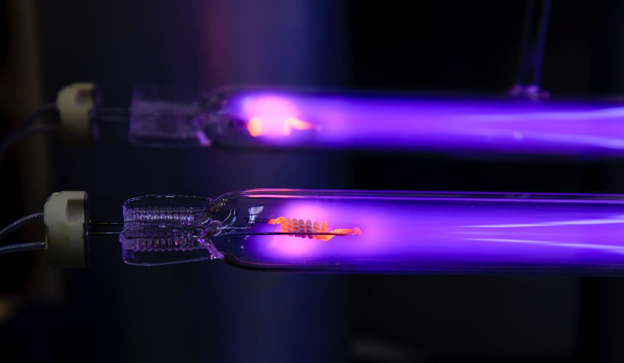
The mechanism of a UV water filter is surprisingly simple, yet highly effective. Water flows through a chamber that houses a UV lamp. As the water passes close to the lamp, it is exposed to ultraviolet light at a specific wavelength, usually around 254 nanometers. This wavelength is particularly effective at targeting microbial DNA.
The intensity of the UV light and the duration of exposure are critical to the effectiveness of the system. Water must flow at a rate that allows sufficient exposure for the UV rays to penetrate microorganisms fully. Most residential UV systems are designed to treat water at a flow rate that ensures proper disinfection without slowing down household water use.
Benefits of Using a UV Water Filter
- Effective Microbial Control: UV water filters are highly effective at eliminating bacteria, viruses, and protozoa. This includes pathogens such as E. coli, Salmonella, Giardia, and Cryptosporidium, which can cause gastrointestinal illness.
- Chemical-Free Purification: Unlike chemical disinfectants like chlorine, UV filtration does not add anything to the water. It relies purely on light to neutralize microorganisms, leaving water free of added chemicals and byproducts.
- Minimal Maintenance: UV water filters generally require little maintenance beyond occasional lamp replacement and cleaning of the quartz sleeve that surrounds the lamp. This makes them easy to maintain for homeowners and businesses alike.
- Preserves Water Quality: Since UV filters do not change the taste, color, or mineral content of water, they maintain the natural characteristics of drinking water. This is particularly valuable when paired with other filtration methods that may remove impurities but also alter the water’s taste.
- Eco-Friendly Solution: UV filtration uses no chemicals and produces no waste, making it an environmentally friendly water treatment option.
Applications of UV Water Filtration
UV water filters are versatile and can be used in various settings:
- Residential Use: Homeowners use UV filtration to ensure safe drinking water, especially if they rely on well water or live in areas where microbial contamination is a concern. Residential UV systems can be installed at the point of entry or at specific points of use, such as under the kitchen sink.
- Commercial Use: Restaurants, hotels, and offices may use UV filters to provide safe water for customers and staff. The technology is particularly valuable in settings where high standards of hygiene are critical.
- Industrial Use: Certain industries, such as pharmaceuticals, laboratories, and food processing, require water free from microorganisms. UV filtration ensures that water meets stringent safety and quality standards.
Limitations to Keep in Mind
While UV water filters are highly effective against microorganisms, they do have limitations. UV systems do not remove chemical contaminants, heavy metals, or sediments. For water that contains these types of impurities, a combination of filtration methods may be necessary.
Additionally, UV light is only effective if the water is clear. Turbidity or cloudiness can block UV rays and reduce effectiveness, which means pre-filtration may be required for optimal results.
Maintaining Your UV Water Filter
Proper maintenance is crucial to ensure that a UV water filter continues to operate effectively. The lamp should be replaced annually or as recommended by the manufacturer. The quartz sleeve that protects the lamp should be cleaned periodically to remove any buildup that could block UV light. Checking water flow and ensuring there are no leaks or cracks in the system will also help maintain performance.
UV water filters are a reliable, chemical-free way to enhance water safety by targeting harmful microorganisms. They work by disrupting the DNA of bacteria, viruses, and protozoa, preventing them from reproducing and causing illness. While they do not remove chemical contaminants, they are an excellent complement to other filtration systems. Whether used in residential, commercial, or industrial settings, UV water filtration offers peace of mind and a practical solution for maintaining safe, clean water. For anyone looking to add an extra layer of protection to their water supply, a UV water filter is an effective and environmentally friendly choice.