
Overview
The Ngorongoro Conservation Area (NCA) in northern Tanzania is one of the most extraordinary ecological regions on Earth. Recognized as a UNESCO World Heritage Site, it contains volcanic highlands, sweeping savannas, alkaline lakes, and astonishing biodiversity centered around the world-famous Ngorongoro Crater—the largest intact, unflooded caldera in existence.
How the Ngorongoro Crater Was Formed
Around 2–3 million years ago, a massive volcano—once comparable in height to modern-day Mount Kilimanjaro—erupted violently and collapsed inward, creating a vast bowl-shaped depression surrounded by steep walls over 2,000 feet high.
This geological event formed a self-contained natural sanctuary, trapping water sources and wildlife within a uniquely fertile ecosystem.
Diverse Ecosystems Within Ngorongoro
Despite its compact area, Ngorongoro contains remarkably varied habitats, each supporting different species:
- Montane Forests: Dense, misty forests on the outer slopes harbor elephants, leopards, and rare birds.
- Open Grasslands: The crater floor is dominated by lush grasslands supporting wildebeest, zebras, and grazing herbivores.
- Lerai Fever Tree Forest: A striking yellow-green acacia forest home to elephants, baboons, and hundreds of bird species.
- Alkaline Lakes (e.g., Lake Magadi): Seasonal flamingo breeding grounds fed by mineral-rich waters.
- Swamps & Wetlands: Critical year-round water sources attracting hippos and large predators.
- Highland Heath & Moorland: Cooler upper elevations that support unique flora and cooler-climate species.
This extraordinary concentration of ecosystems in one region is one reason Ngorongoro is considered one of the most ecologically important landscapes on the planet.
Wildlife & Biodiversity
More than 25,000 large mammals reside in the crater and surrounding conservation area, including lions, elephants, black rhinos, zebras, buffalo, hyenas, servals, jackals, and over 500 bird species.
Cultural Significance
The NCA is also home to the Maasai, who have lived in harmony with the land for generations. Nearby Olduvai Gorge is one of the world’s most important paleoanthropological sites.
Environmental Challenges
Ngorongoro faces modern pressures:
- plastic waste carried into wildlife areas
- habitat degradation
- increasing tourism
- human–wildlife conflict
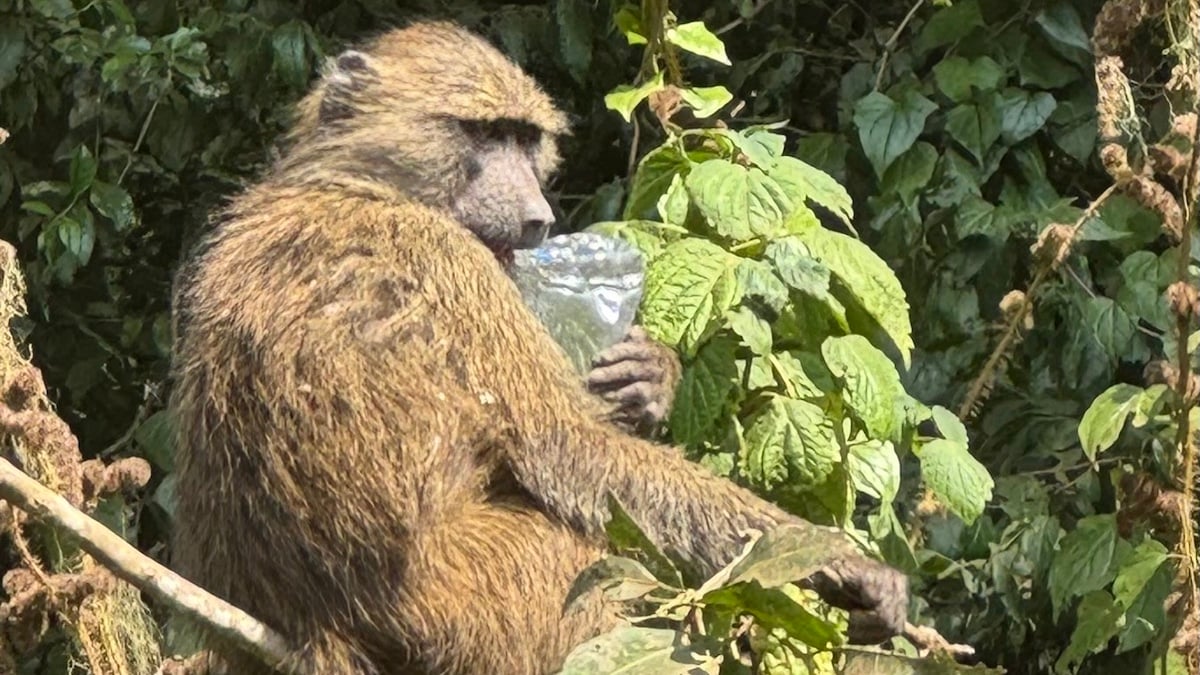
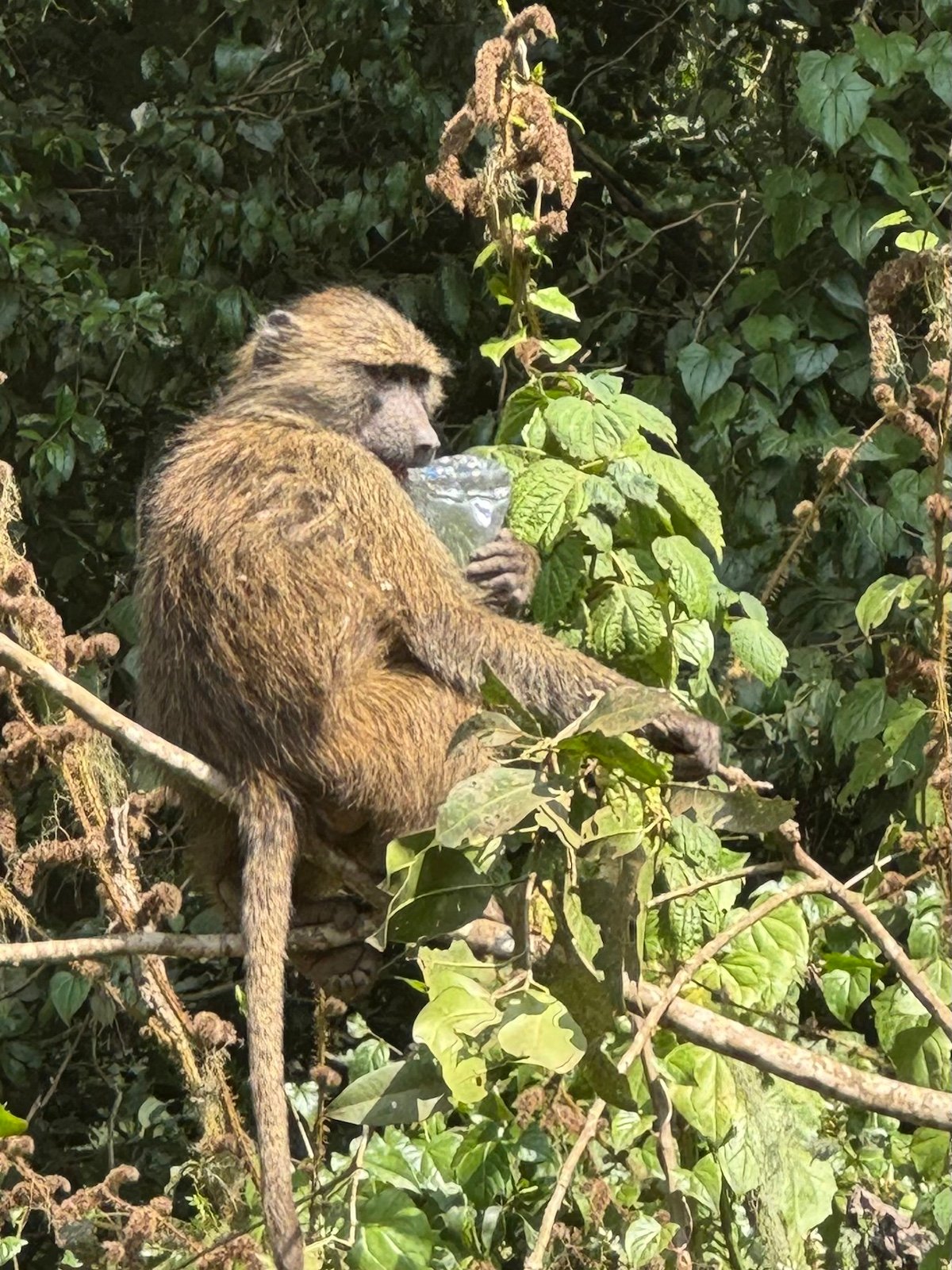
A vivid example is the photograph captured by Charlie Stephenson of Nature’s Air & Water, showing a monkey holding a discarded water bottle.
Why Ngorongoro Matters to Nature’s Air & Water
The region serves as a reminder of the global need for cleaner water practices, reduced plastic waste, and responsible stewardship—core values of Nature’s Air & Water.